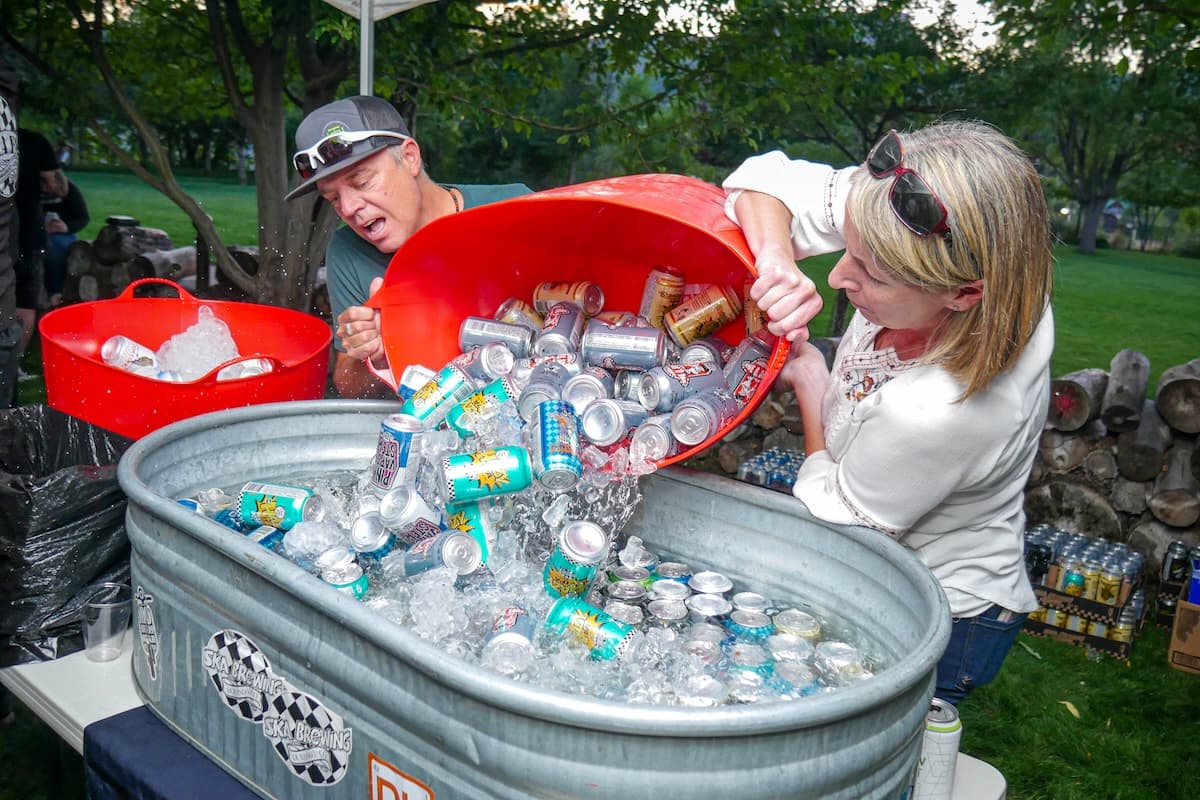
Production and Marketing Are Playing for the Same Team
Industry All Access
Creating a culture of interdepartmental cooperation at the brewery—and a structure to support it—can yield great beer ideas and higher morale.

22 articles in this category
Creating a culture of interdepartmental cooperation at the brewery—and a structure to support it—can yield great beer ideas and higher morale.

In a challenging market, Alvarado Street Brewery is preparing to open a new 45,000-barrel production facility in Monterey County, California, later this year. Here, cofounder and brewing director J.C. Hill shares what’s feeding that vision for the future, informed by lessons from the past.
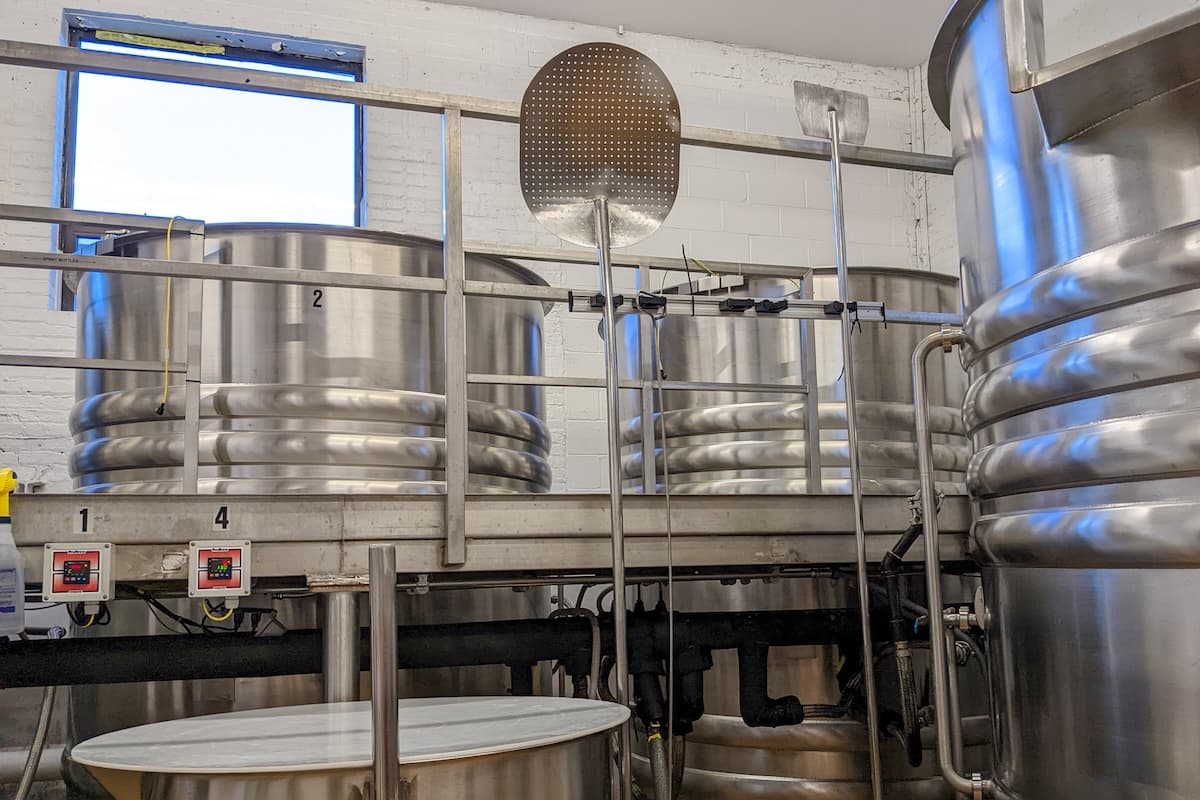
Even small breweries with tight footprints and busy production schedules can find the space and time for lager without upsetting the balance sheet. From a few of the best lager breweries in the United States, here are tips on how.
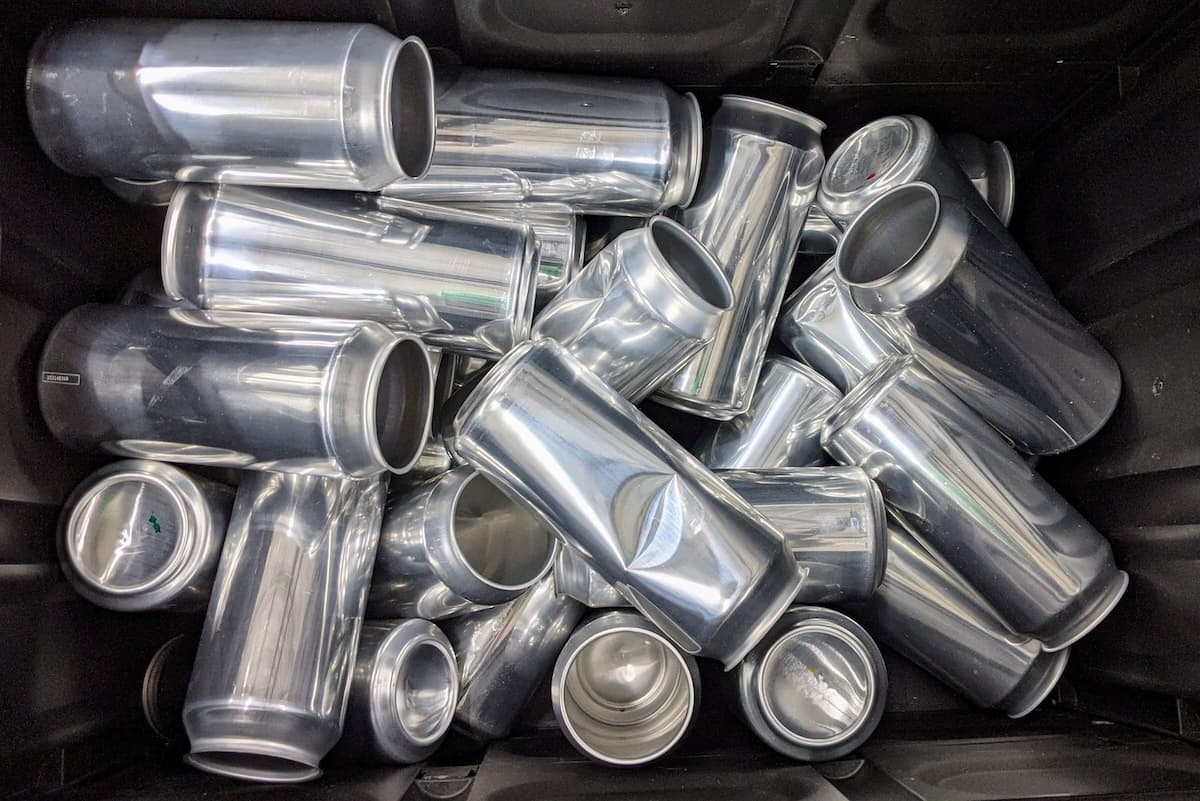
From aluminum costs to consumer spending, knock-on effects from the conflict in Iran will continue to reverberate and hit breweries’ bottom lines. And even if oil shipments through the Strait of Hormuz were to resume instantly, higher prices are likely to persist into 2027.
From event spaces to hop products and negotiating with suppliers, here’s how some breweries are prioritizing operational sustainability in uncertain times.
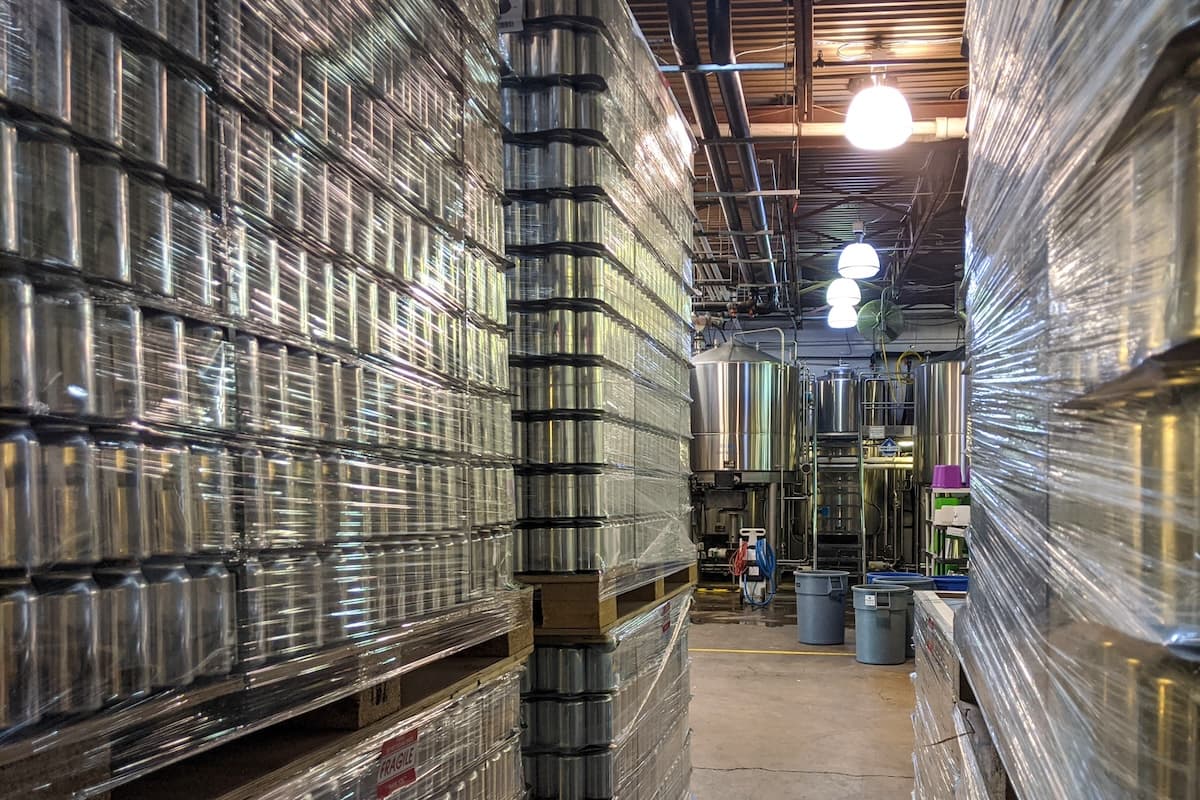
Rising costs and geopolitical instability make this another year in which forecasting and procurement demand small breweries’ utmost attention.
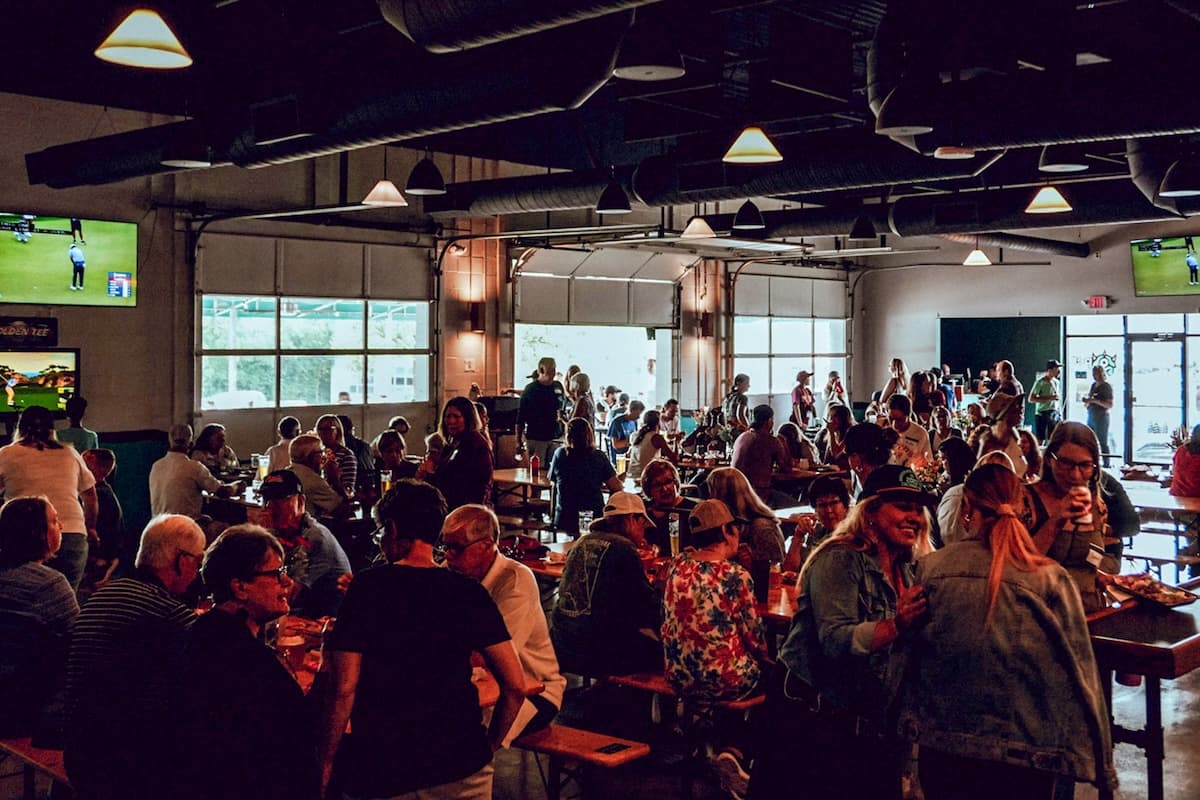
Security for your brewery’s staff, guests, and property starts with proper preparation.
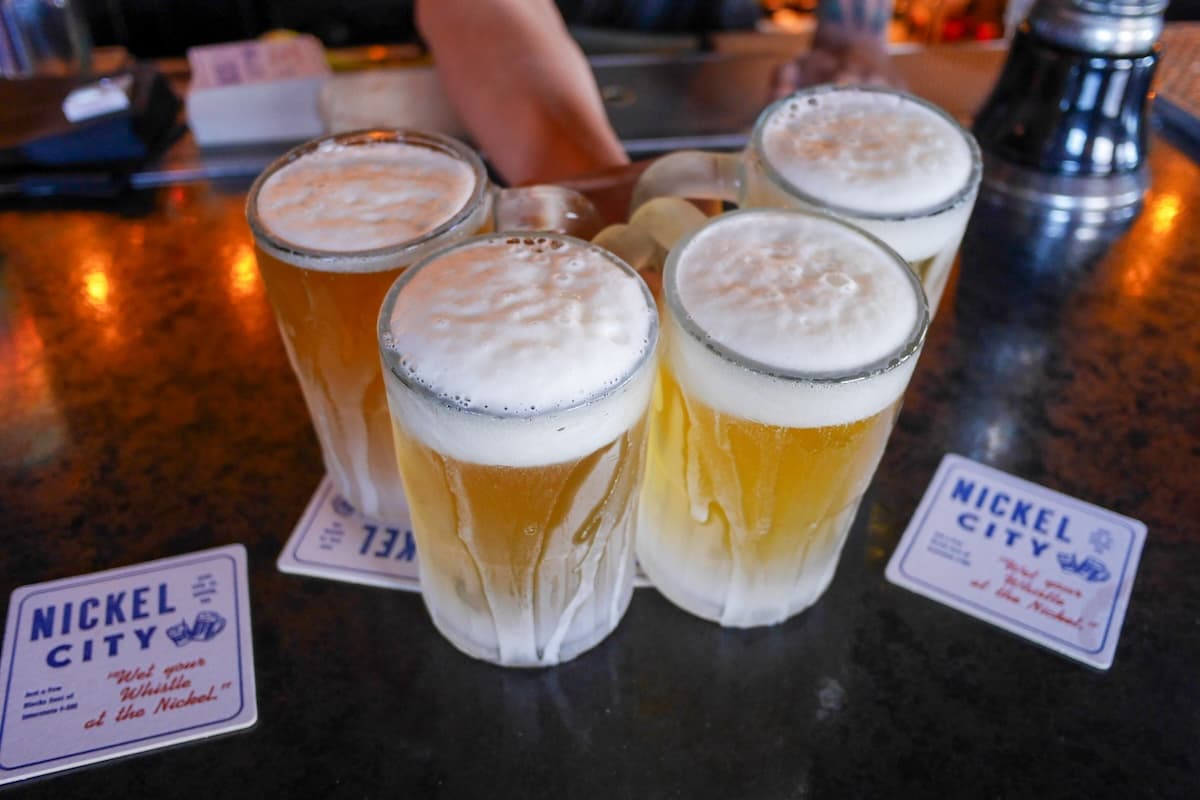
Whether you want to raise prices to cover increased costs or hold them in hopes of boosting volumes, here’s what to expect from discussions with your distributor.

Artificial intelligence is here, and brewing will never be the same. But will it be death from a thousand cuts or a million little improvements?

Sharing space in the brewery with compatible businesses can help bring in new customers and add to the overall experience—but there are challenges as well as opportunities.
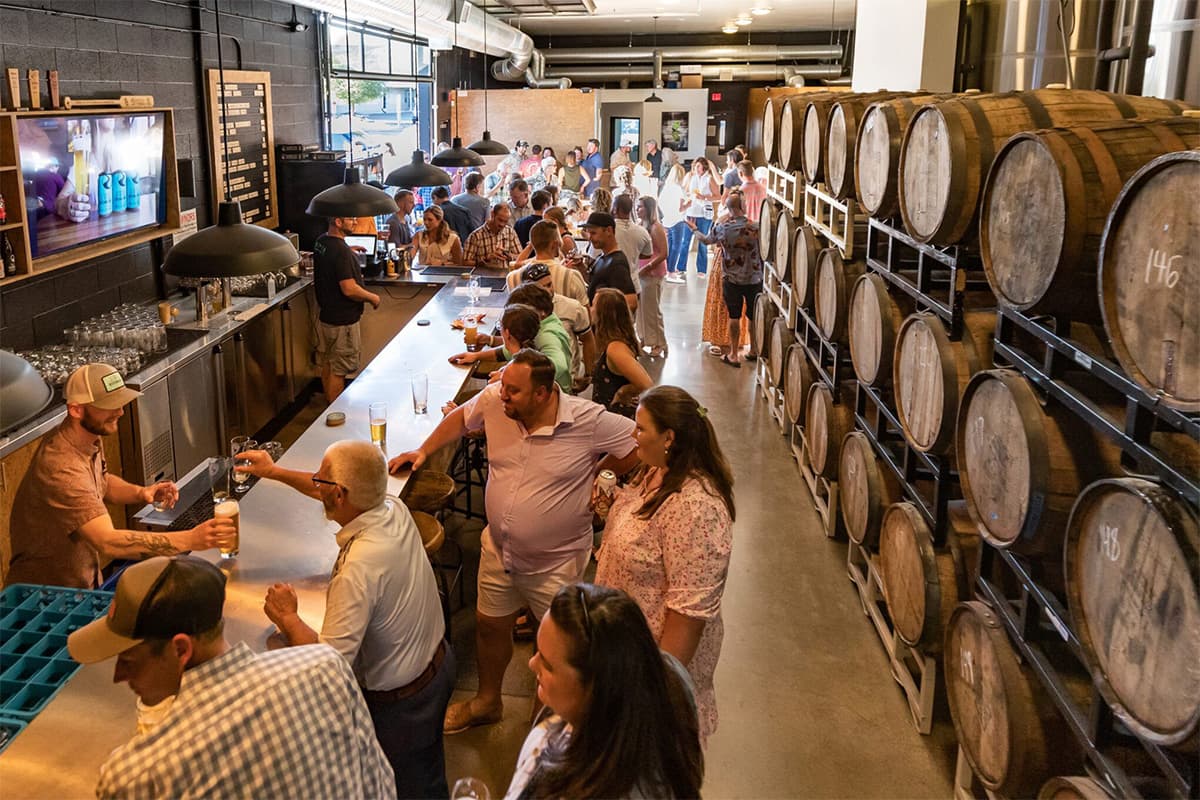
There is front of house, there is back of house—and if the only constant is chaos, then small breweries need to build flexibility into both their hospitality and manufacturing sides, while bearing in mind the long-term implications of cutting costs.

As chief economist of the group that advocates for beer’s middle tier in the United States, Lester Jones is a respected voice known for being armed with fresh data and an informed, overhead view on the market for craft beer.
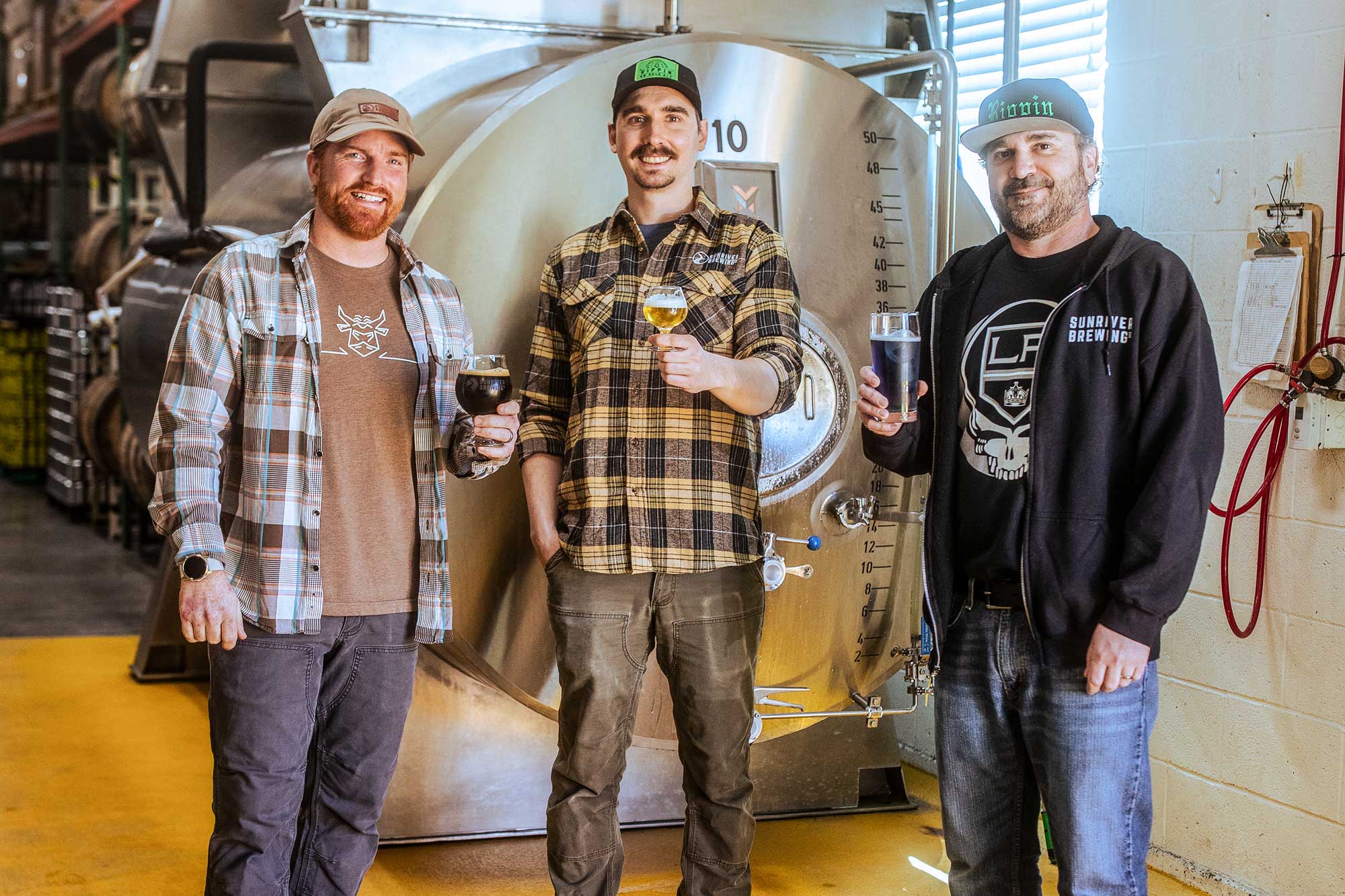
This lauded brewery in central Oregon proves that smart operational decisions can pay dividends—and land you on the awards podium.
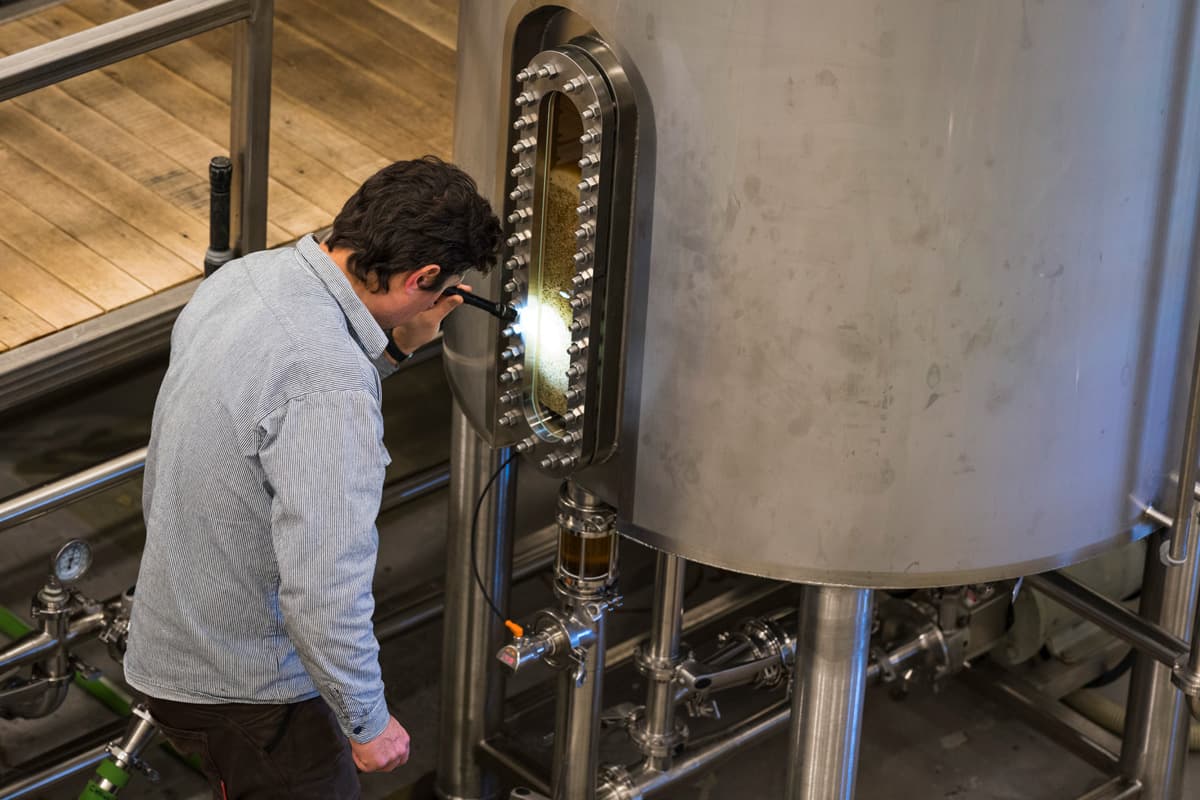
What’s really going on in that lauter tun, anyway—and how long’s it going to take? Stuck or slow sparges can disrupt production and quality. Let’s zoom in on how best to manage the process and avoid surprises.
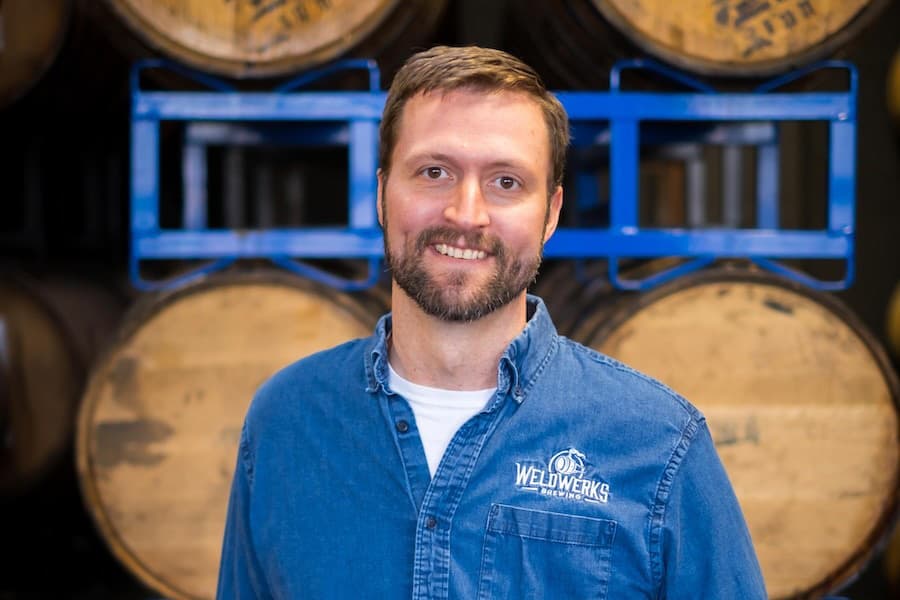
In this excerpt from their conversation for Craft Beer & Brewing Podcast Episode 400, editorial director Jamie Bogner and WeldWerks founder Neil Fisher look back on the industry’s past decade, looking for light to shed on its present and future.
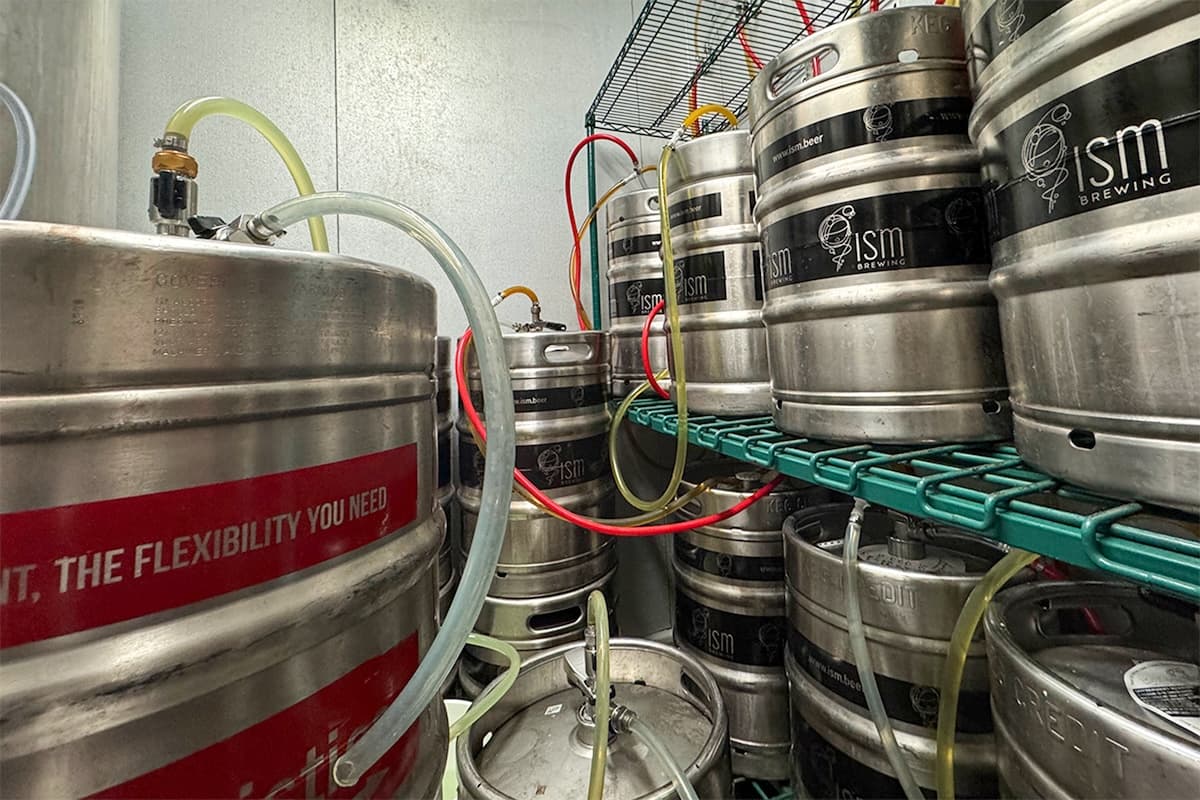
Kegs are expensive and attrition is inevitable, even as the market for draft beer gets tighter. The good news: When it comes to managing that fleet, brewers today have more options than ever.
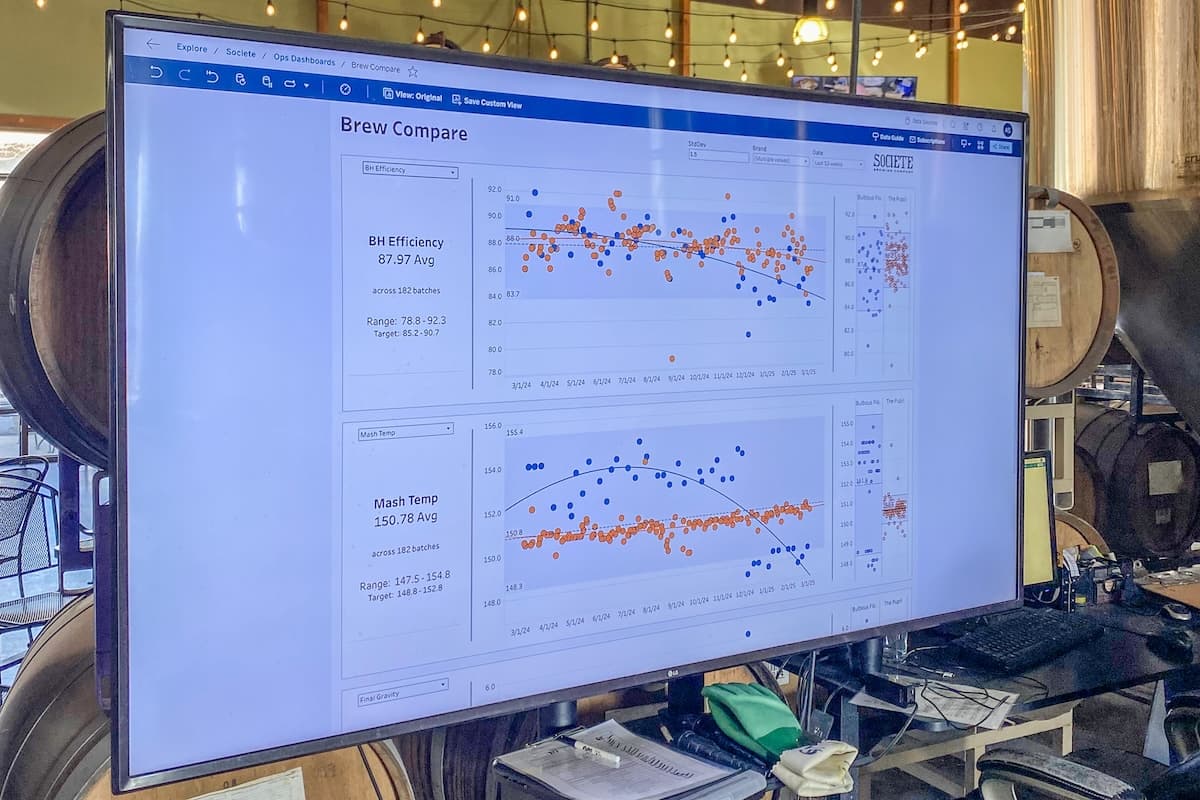
Craft breweries are awash in raw data, and the road to higher quality and wider margins begins with making better use of it.
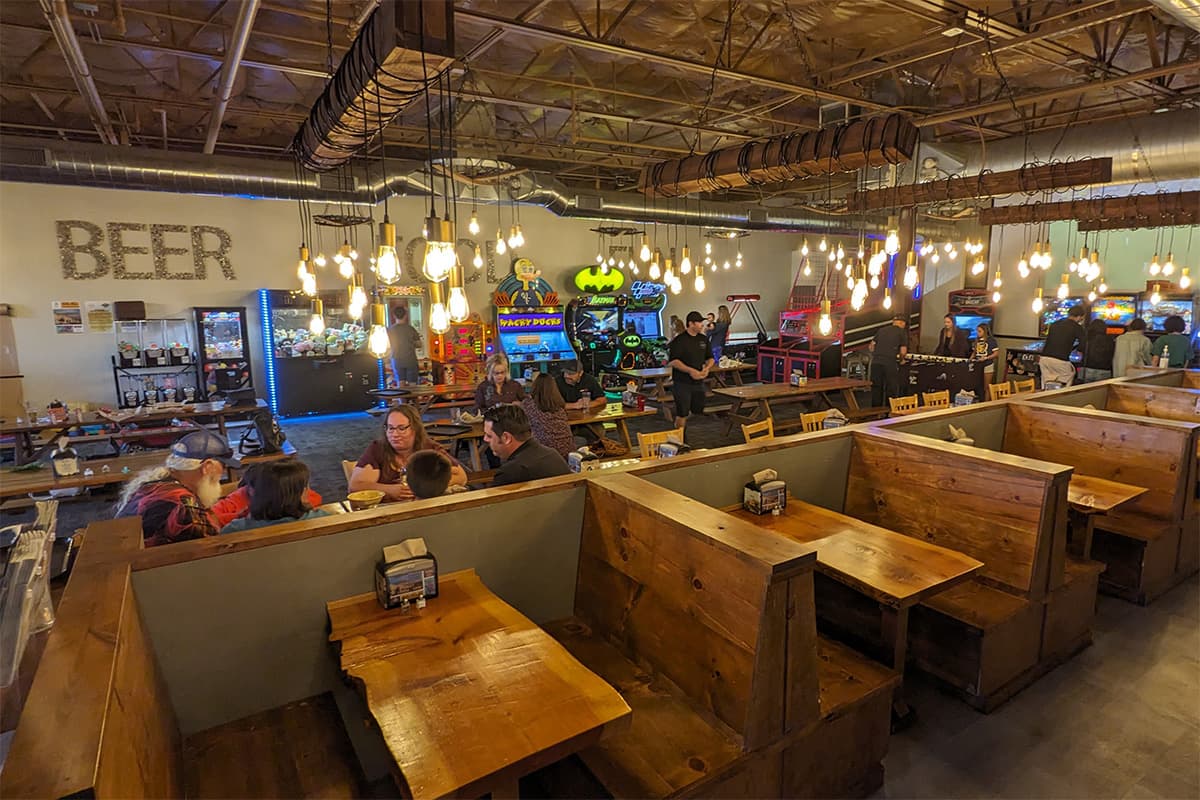
With rents increasing and sales growth slowing, keeping costs in check can make or break a brewing business.
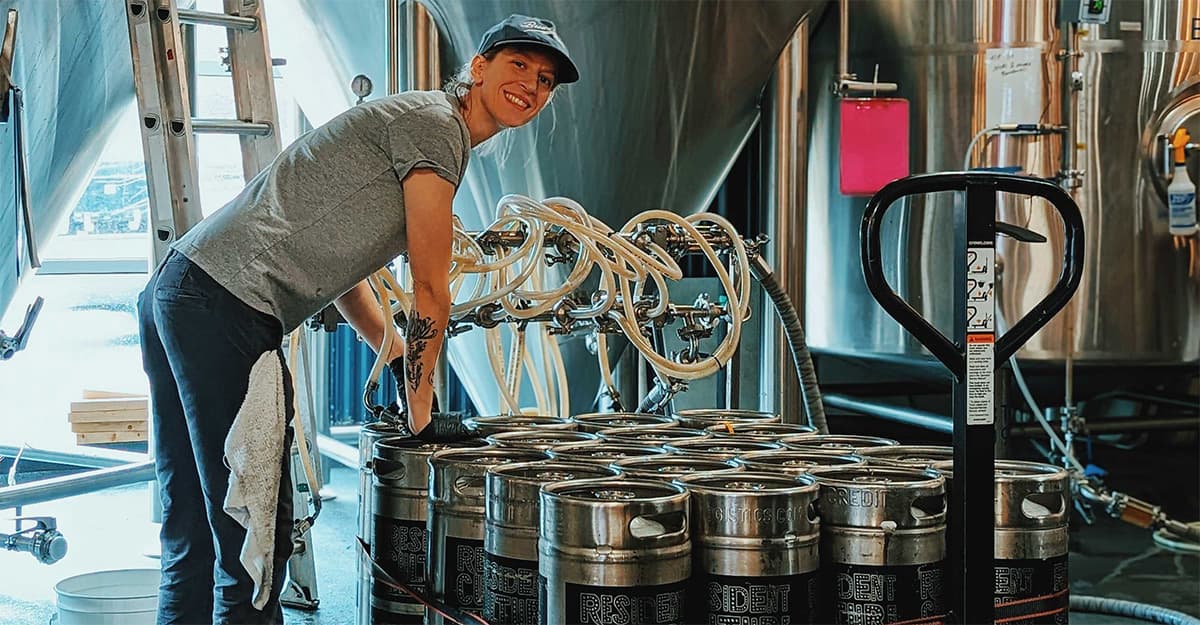
Understanding the cost of wages and benefits is more important than ever. The balance is in finding creative ways to keep them steady while ensuring that employees feel valued.

Brewers share strategies for reducing costs on craft beer’s most competitive style.