Production and Marketing Are Playing for the Same Team
Industry All Access
Creating a culture of interdepartmental cooperation at the brewery—and a structure to support it—can yield great beer ideas and higher morale.

37 articles in this category
Creating a culture of interdepartmental cooperation at the brewery—and a structure to support it—can yield great beer ideas and higher morale.
In a challenging market, Alvarado Street Brewery is preparing to open a new 45,000-barrel production facility in Monterey County, California, later this year. Here, cofounder and brewing director J.C. Hill shares what’s feeding that vision for the future, informed by lessons from the past.
From event spaces to hop products and negotiating with suppliers, here’s how some breweries are prioritizing operational sustainability in uncertain times.
There is front of house, there is back of house—and if the only constant is chaos, then small breweries need to build flexibility into both their hospitality and manufacturing sides, while bearing in mind the long-term implications of cutting costs.
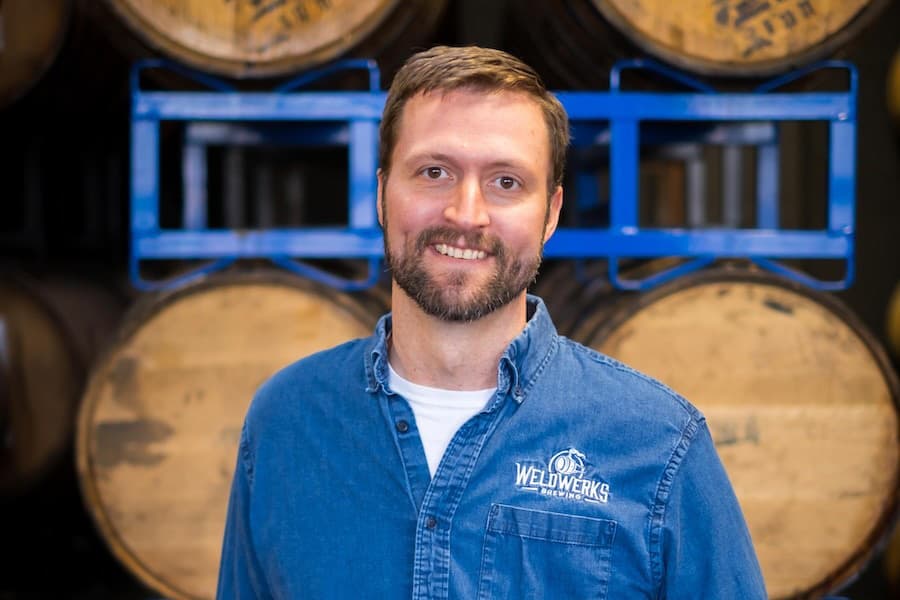
In this excerpt from their conversation for Craft Beer & Brewing Podcast Episode 400, editorial director Jamie Bogner and WeldWerks founder Neil Fisher look back on the industry’s past decade, looking for light to shed on its present and future.
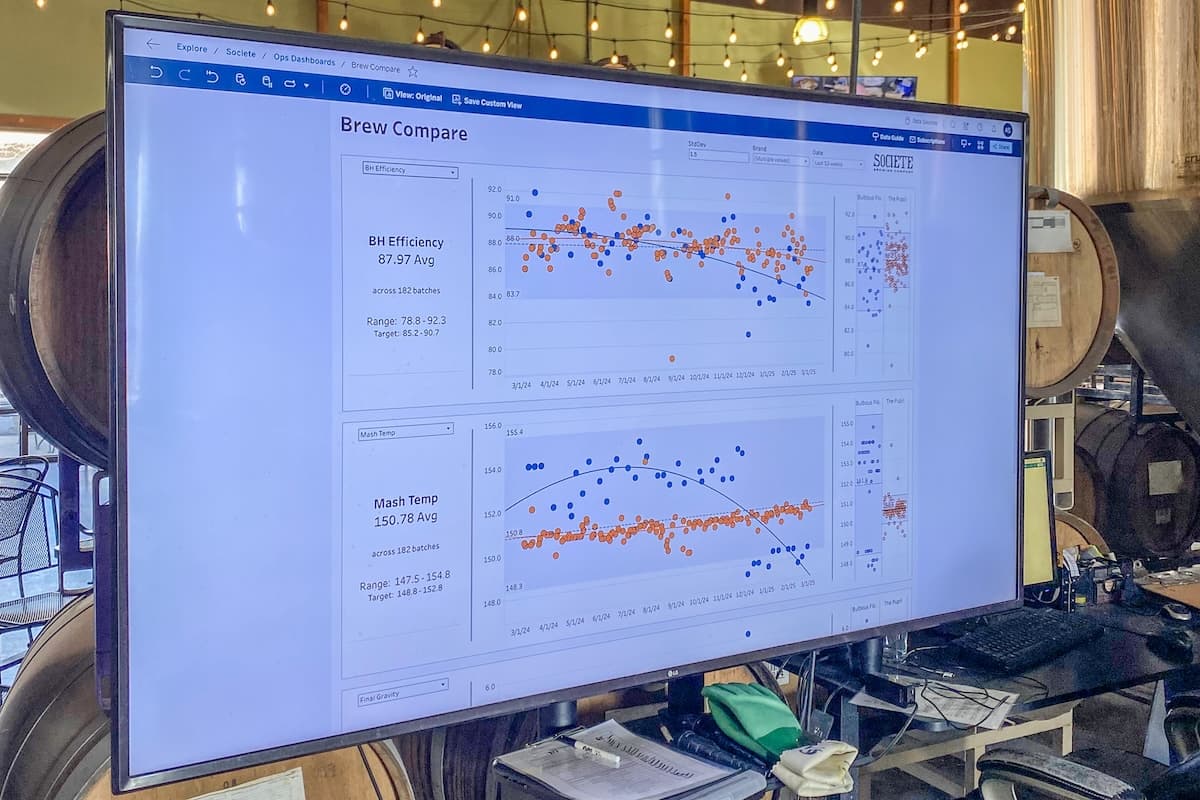
Craft breweries are awash in raw data, and the road to higher quality and wider margins begins with making better use of it.
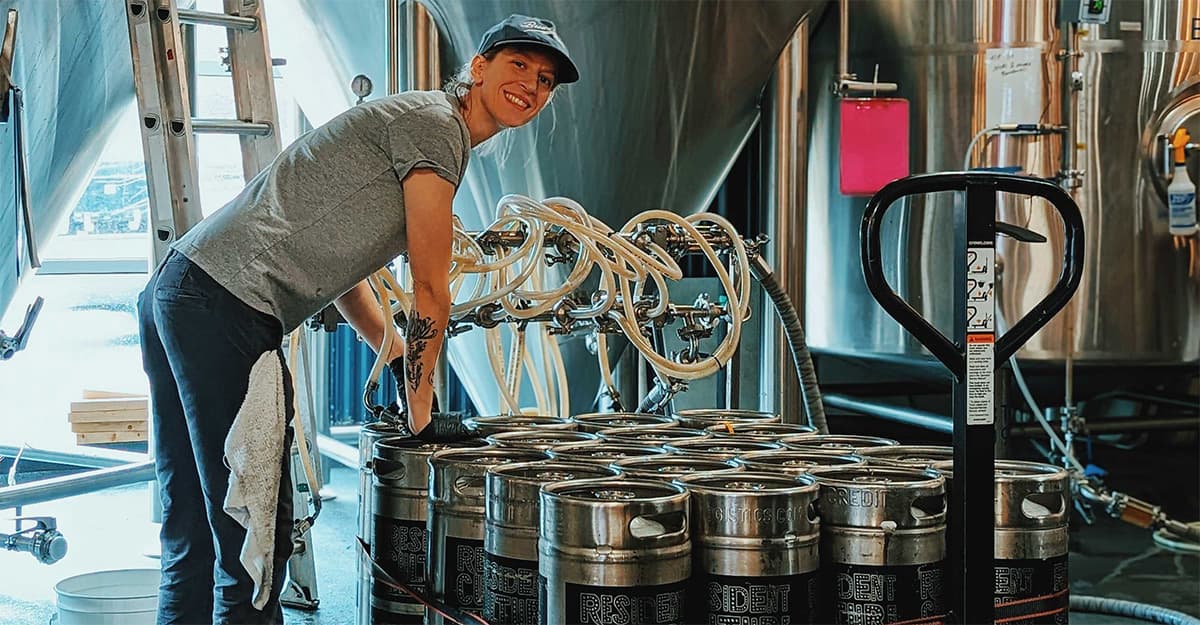
Understanding the cost of wages and benefits is more important than ever. The balance is in finding creative ways to keep them steady while ensuring that employees feel valued.

It’s never easy when some doors shut for good—especially when you’ve put so much into opening them and running the business. Yet hospitality evolves, change is inevitable, and each hard-earned lesson can strengthen your next endeavor, ensuring that the past becomes prologue.
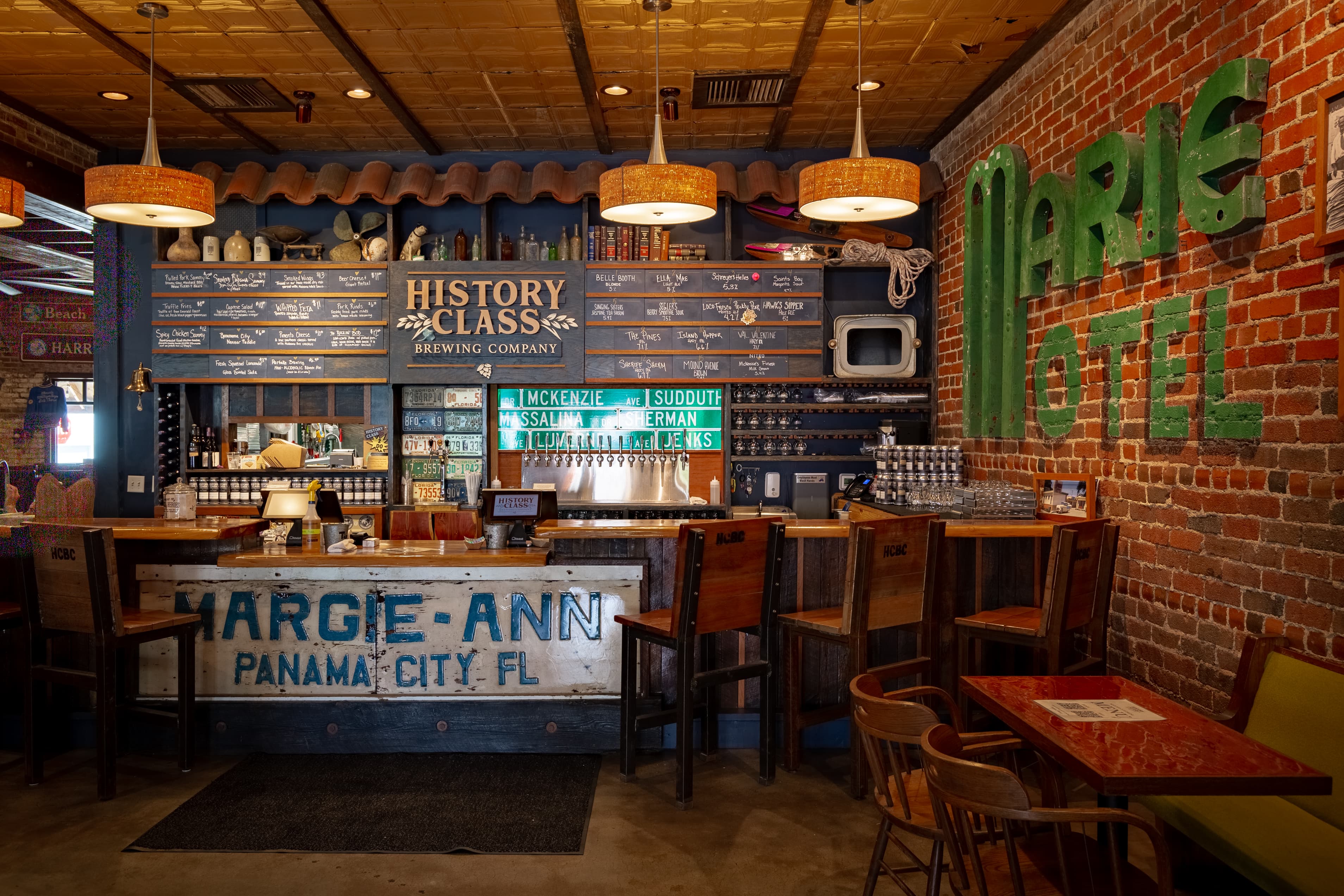
In the first episode of his Brewing a Business video course, Allan Branch of History Class Brewing in Panama City, Florida, outlines the most important questions you need to answer if you’re serious about opening a brewery.

It’s the toughest time of year for beer—cold weather, health kicks, and lots of people just staying home. For breweries barely hanging in there, these months can be a knockout blow. From a variety of voices in the industry, here are some ideas about how to make it work until spring.

In this clip from his video course, Allan Branch—founder of History Class Brewing and El Weirdo tacos in Panama City, Florida—explains the usefulness of “fear-setting” as a way to be ready for warning signs that your brewing business could be in trouble.

These are tough times to run a small brewery—but was it ever easy? For perspective and advice on finding success in today’s industry, we reached out to seven successful brewers and entrepreneurs who’ve left it behind.
In an updated chapter from our Brewing a Business course with Allan Branch, we identify what makes a business fail—and how to fix those issues before it's too late.
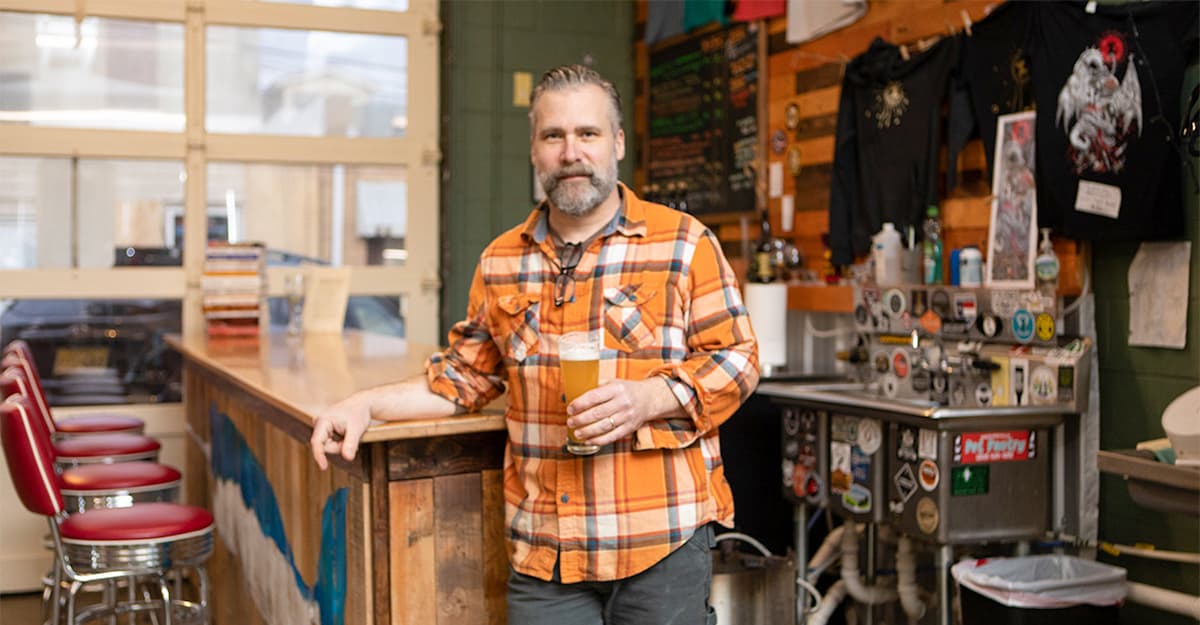
Three owners of very small breweries explain why running their businesses without investors—or even many employees—has helped keep them afloat.

Breaking up, as they say, is hard to do. When a brewery and its cofounder or head brewer part ways, planning ahead goes a long way toward helping to prevent acrimony.
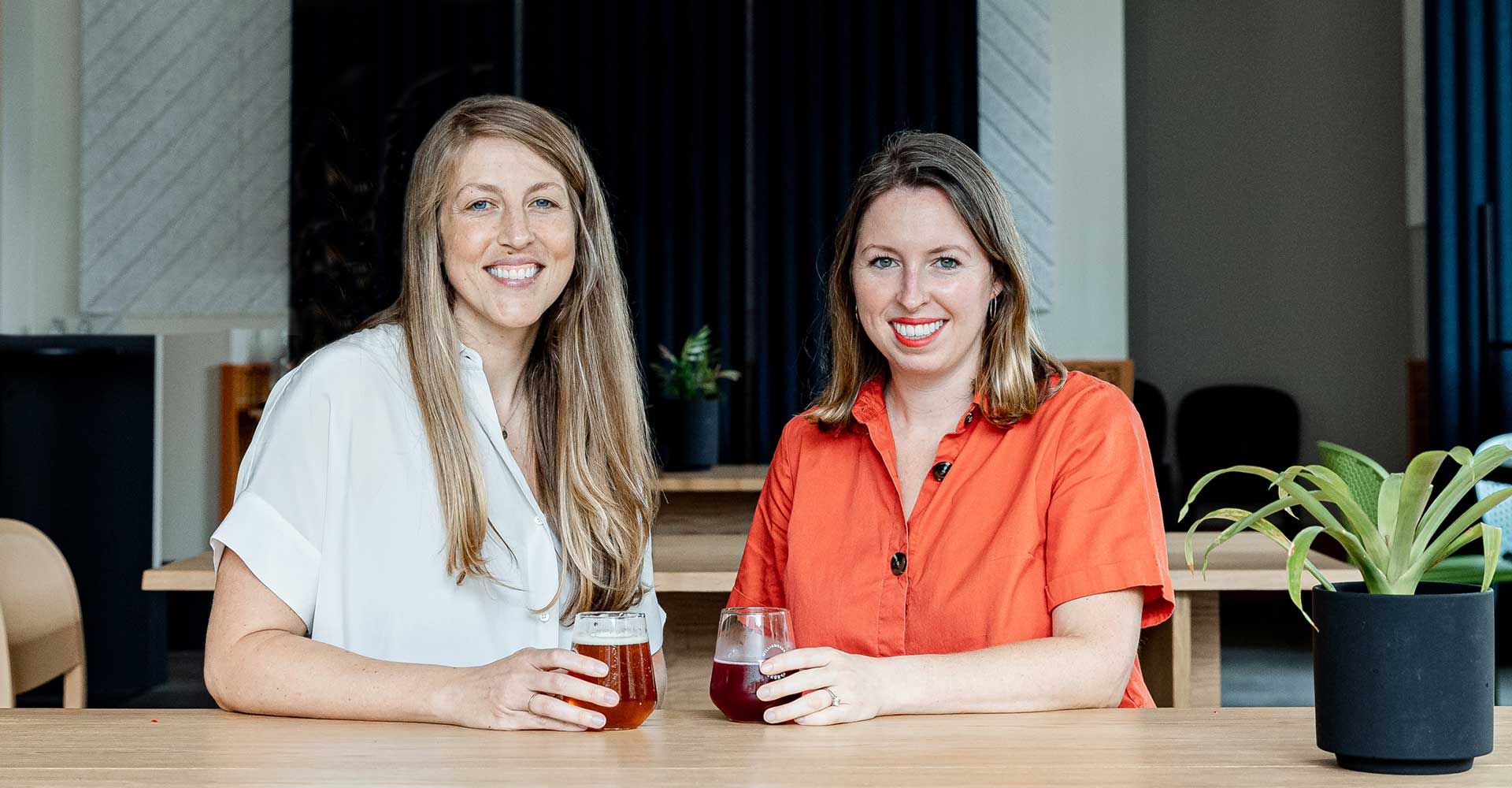
For an industry that struggles to attract new kinds of customers, there are lessons to be learned at Talea Beer. Cofounded by Tara Hankinson and LeAnn Darland, the brewery and its taprooms are building a strong following among the women of New York City.
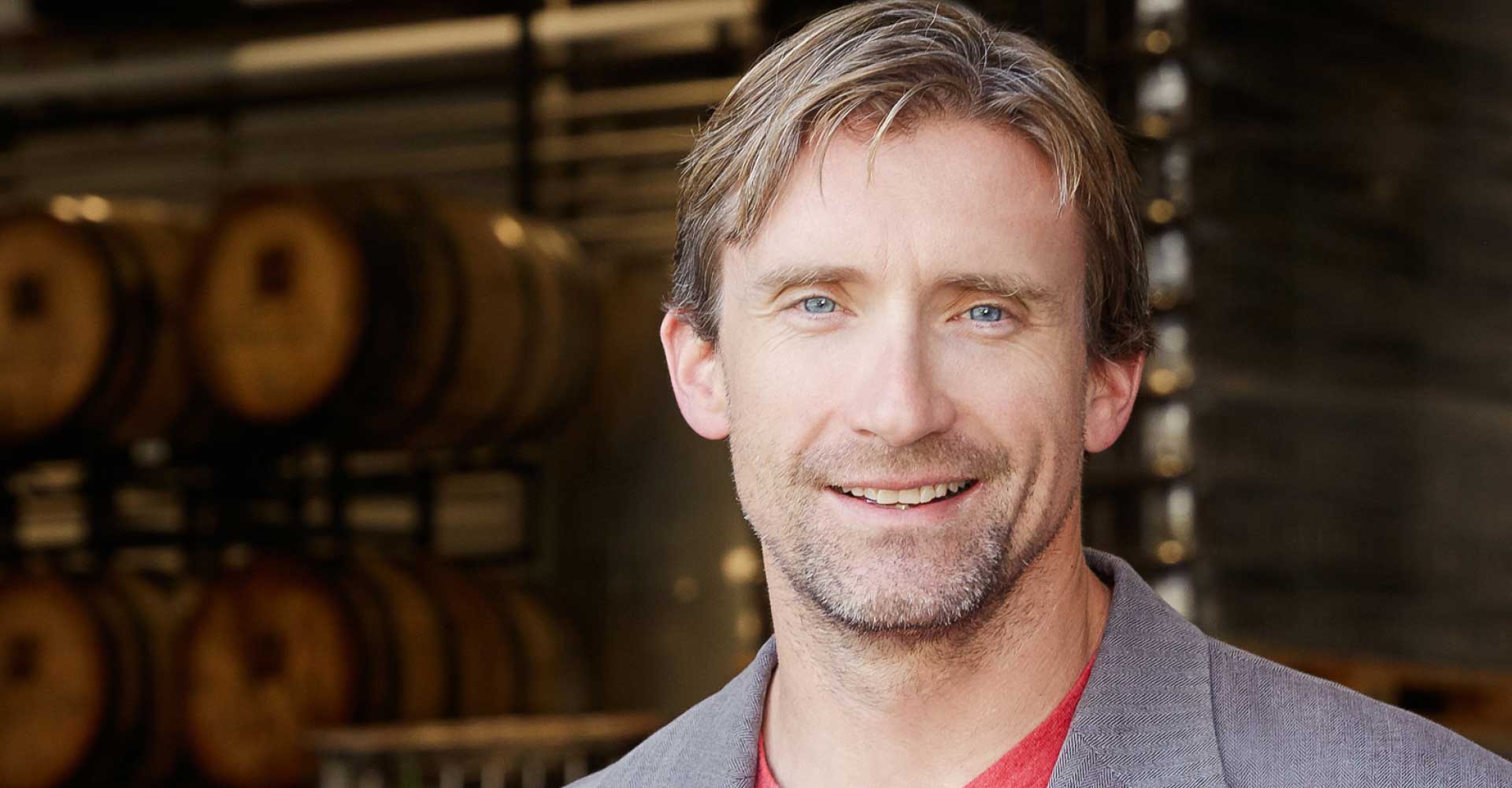
The cofounder of Roadhouse Brewing in Jackson Hole, Wyoming, discusses growing with confidence, the challenges of integration, and how sustainability helps the bottom line.

Do you have adequate insurance coverage for your brewing business, and are you preparing for the right kinds of risks? Insurance recovery attorney Kayla Robinson explains what breweries can do to better prepare for the next unwelcome turn of events.
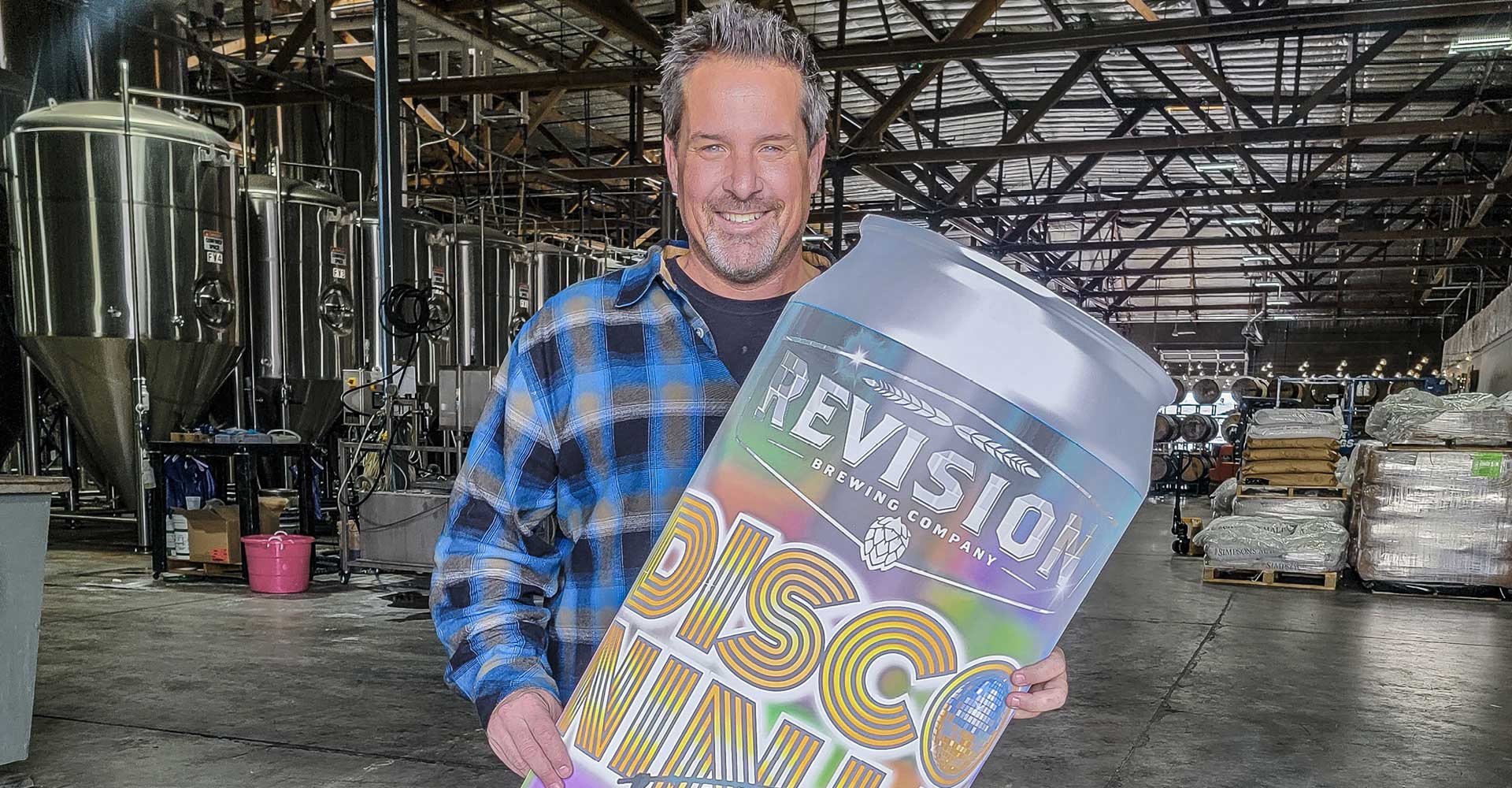
After three early years of explosive growth for Revision, the pandemic combined with leadership changes to slow the company’s roll. Yet Revision made it through—and the Nevada brewery has never been better prepared for the future.
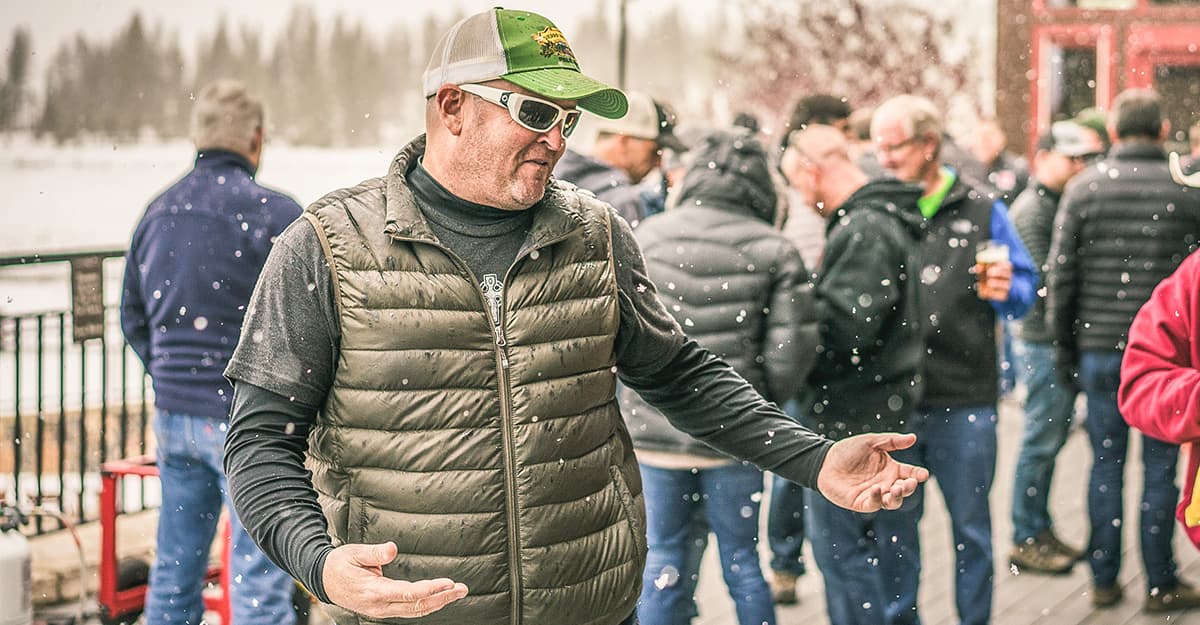
The Lost Abbey and Port Brewing cofounder Tomme Arthur explains what it means to “grow down” for the long haul amid an increasingly competitive landscape for American brewers.